
Intermittent fasting, when not carried out under professional guidance, comes with its fair share of woes and health issues, warns Jashan Vij, a health coach and fat loss expert.

'Any dietary approach is incomplete without physical exercise.' 'Application of calorie restriction/intermittent fasting alone would lead to a decrease in muscle mass, and possibly bone mass too.'

A cortisol belly is a common health problem resulting from elevated cortisol levels due to chronic stress, poor diet, lack of physical activity, inadequate sleep and overtraining, says clinical nutrition consultant Neha Sahaya.

We've all heard about calcium in milk and yogurt and how it makes our bones stronger, but a new study has found that consuming yogurt 4 to 5 times a week may help you lower the risk for developing Type-2 diabetes as well.

Here's how to create a healthy relationship with your food.


Trying hard to lose weight? Try out these super foods!

If you are overweight, try and lose a few kilos. Watch the calories in your diet as excess weight can contribute to insulin resistance, warns Dr David Chandy.

Siddhant Digvijay Jaitha, 38, from Kolkata tells us how he went from 106 to 79 kg in six months.

While it is important to have lesser calories when you are on a weight loss plan, it is equally vital to know where the calories are coming from, says Neha Dhulla.

Mahima Seth, 25 who works as a financial consultant tells us how she lost 23 kg in 10 months.

Useful tips from fitness expert Meenakshi Mohanty to ensure that you keep your health a priority during this time of decadent meals and excessive drinks.

Following a liquid diet without the supervision or guidance of an expert can lead to uncalled health consequences, says Nmami Agarwal.

Start the day with some whole grains or oats. Include a good source of fibre-containing food with every meal or snack.

Alan Baptist reveals how he went from 95 kg to 65 kg.

Here's how to keep a check on your weight this party season.

Eighty percent of a celebrity's body is defined by a good diet, says nutritionist Neha Sahaya.

'Throw away all perishable foods that have been left at room temperature for more than two hours,' suggests dietician Komal Jethmalani.

Salil Verma shares the simple formula that worked for him.

Satya Raghava's out-of-this-world recipe for one of Mangalore's staple dishes.

Consuming whole grains can reduce the risk of heart disease by up to 30 percent.

Superfoods like low-carb veggies and fatty fish will help diabetics keep their sugar under check.

Two unsual Indian desserts to brighten up your Holi celebration.

It is possible to make your health food taste good. Here's how.

Lack of sleep, unhealthy eating habits, physical inactivity and a stressful daily schedule stemming from demanding career paths to juggling multiple hats on the personal front are some factors that increase health challenges, especially in young Indians, notes dietician Sheryl Salis.
Suffering from diabetes? Ensure you have these power foods in your meals

Sunita Roy Chowdhury lets you know how you can stay healthy this festive season.

Hypoglycemia or low blood sugar can affect a person's movement and ability to think clearly, which can even cause serious accidents.

Adopting a healthy lifestyle as a family or even with friends will go a long way in curbing the dangers of midnight cravings.

Never skip your meals during a climatic transition, warns Dr Siddhant Bhargava.


You must not eat immediately before or after a workout, advises fitness entrepreneur Utsav Ghosh.

Dietician Komal Jethmalani provides expert help.
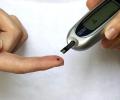
Do not skip meals. Avoid white bread, pastries during the lockdown.

Food (ahara) and lifestyle (vihara) have a major impact on the health of your heart.

Dr Aruna Kalra tells you why you must include almonds, grains and veggies in your diet.

To avoid binge eating, you need to control your mind and focus on your goal, says Komal Jethmalani.
Is it safe? Bariatric surgery is very safe if performed at a proper centre by a competent surgeon.

A diet rich in vegetables and fruits can help regulate blood pressure, reduce the risk of heart disease and stroke, prevent colon cancer, lower risk of eye and digestive problems, regulate diabetes and can help keep appetite in check, suggests Dr Eileen Canday.

Weight loss might not necessarily mean that you have lost the excess fat as well, says Jitendra Chouksey.
